Fisetin is a yellow-orange flavonoid found naturally in strawberries, apples, persimmons, onions, and cucumbers. For most of its documented history it was of interest primarily to chemists studying plant pigmentation, not to biologists studying aging. That changed dramatically in the early 21st century when researchers began identifying fisetin as a potent senolytic — a compound that may selectively clear the dysfunctional ‘zombie’ cells that accumulate with age and contribute to tissue decline.
Understanding how fisetin moved from dye chemistry to longevity laboratories requires following roughly 150 years of incremental science: organic chemists isolating the molecule, pharmacologists probing its antioxidant and anti-inflammatory properties, and finally cell biologists discovering that it could trigger apoptosis in senescent cells with unusual selectivity. This article traces that arc honestly, distinguishing what the evidence shows from what remains speculative.
Key Takeaways
- Fisetin was first isolated in the 1800s as a plant dye compound, with meaningful biological research beginning only in the latter half of the 20th century.
- Its emergence as a longevity candidate stems from senolytic screening research in the 2010s showing selective pro-apoptotic activity in senescent cells in preclinical models.
- Mouse studies demonstrated reductions in senescent cell burden and lifespan extension at high intermittent doses, but animal-to-human translation remains unconfirmed.
- Human trials to date have been small and early-phase; robust clinical evidence for efficacy in aging or disease is not yet established.
- Bioavailability is a genuine limitation — fisetin is poorly absorbed orally, and how much reaches target tissues from typical supplement doses is unclear.
19th-Century Origins: Fisetin as a Natural Dye
Fisetin was first isolated and chemically characterized in the mid-1800s from the wood of Rhus cotinus, commonly called the smoke tree or Venetian sumac. European chemists were systematically cataloguing plant-derived colorants during this period, and fisetin — whose name derives from the Fiseaux yellow used in textile dyeing — was one of many flavonoids pulled from woody plant tissue and assigned a structural formula.
Early work established fisetin’s place within the flavonol subclass of flavonoids, sharing the 3-hydroxyflavone backbone with better-known compounds like quercetin and kaempferol. Its molecular weight, solubility characteristics, and chromophore were documented long before anyone imagined a biological role for the molecule beyond pigmentation. This foundational chemistry work, though unglamorous, was essential: it gave later researchers a precise structural target to work with.
Mid-20th Century: Antioxidant and Anti-Inflammatory Signals
Through the mid-twentieth century, fisetin attracted occasional attention in the broader wave of flavonoid research that followed the discovery of vitamin P (the early, now-abandoned concept that flavonoids were essential nutrients). Researchers observed that fisetin, like other flavonols, could scavenge free radicals and chelate metal ions in test-tube experiments. These properties placed it in a large category of plant compounds studied loosely for antioxidant potential.
More specific mechanistic work emerged in the latter decades of the century. Laboratory studies began mapping fisetin’s interactions with inflammatory signaling pathways, including inhibition of lipoxygenase enzymes and modulation of NF-κB activity. These findings were preliminary and largely in vitro, meaning they were observed in isolated cells or biochemical assays rather than in living organisms. Nonetheless, they drew a biological map that would later guide aging researchers toward the compound.
It is worth noting that much of this early research was not designed to study aging or longevity at all. Scientists were exploring fisetin as part of broad surveys of polyphenol bioactivity — the same wave of research that examined resveratrol, quercetin, and dozens of other plant compounds. Fisetin’s eventual emergence as a longevity candidate was not a straight line but a byproduct of widening interest in the biology of cellular stress.


The Senescence Discovery: A Turning Point in Fisetin Research
The critical pivot came in the 2000s and accelerated sharply in the 2010s, as the field of cellular senescence matured. Senescent cells are cells that have exited the normal cell cycle — often in response to DNA damage, oxidative stress, or oncogenic signaling — and entered a permanent growth arrest. Rather than dying cleanly via apoptosis, these cells persist and secrete a mixture of inflammatory cytokines, proteases, and growth factors collectively called the senescence-associated secretory phenotype (SASP). Accumulation of senescent cells is now understood to drive many features of biological aging and age-related disease.
Researchers at the Mayo Clinic and elsewhere began systematically screening natural and synthetic compounds for senolytic activity — the ability to selectively eliminate senescent cells while sparing healthy ones. Fisetin emerged as a standout candidate in these screens [1]. Preclinical work demonstrated that fisetin could activate pro-apoptotic pathways in senescent cells with a selectivity that distinguished it from blunter cytotoxic agents. Critically, the proposed mechanism involved modulation of survival networks — particularly the PI3K/AKT pathway — that senescent cells depend on disproportionately compared to normal cells [2].
Mouse studies from this period showed that fisetin administration reduced the burden of senescent cells in aged animals and was associated with improvements in physical function and, in at least one experimental context, extension of median and maximum lifespan [3]. These were landmark findings in the senolytic field, though the doses used were high relative to typical dietary intake and were administered in intermittent ‘burst’ protocols rather than as continuous daily supplementation. A later and more stringent test did not reproduce the lifespan result: in the National Institute on Aging's Interventions Testing Program, fisetin given to genetically heterogeneous UM-HET3 mice did not significantly increase lifespan in either sex at the dose and method of administration tested [4].
Neurological Research: A Parallel Track
Alongside the senolytic work, a separate research thread explored fisetin’s effects in the nervous system. Studies in rodent models examined whether fisetin could support memory and learning, with proposed mechanisms including enhancement of long-term potentiation and activation of neurotrophic signaling pathways [5]. Some researchers noted that fisetin appeared to support levels of glutathione — the cell’s primary endogenous antioxidant — in neurons, potentially protecting against oxidative insult [6].
This neurological work is largely preclinical and must be interpreted cautiously. Translating findings from rodent cognition studies to human brain function is notoriously difficult, and no approved therapeutic application has emerged from this line of research. It represents an active area of inquiry rather than established benefit.
Early Human Trials: The AFFIRM-LITE and Related Studies
The transition from animal models to human trials began in the late 2010s. Researchers at Mayo Clinic conducted small pilot studies examining whether high-dose intermittent fisetin supplementation — typically involving doses many times larger than any realistic dietary intake, administered over two or three consecutive days per month — could reduce markers of senescence and inflammation in older adults. AFFIRM-LITE itself is registered as a Phase 2 randomised, placebo-controlled study in 40 older adults; as of its most recent registry update it is listed as enrolling by invitation and has posted no results [8].

Separately, during the COVID-19 pandemic, fisetin was examined in trials exploring whether its anti-inflammatory and possible senolytic properties might reduce severity in at-risk populations, particularly older adults with elevated baseline inflammation. These trials reflected the broader interest in repurposing compounds with established safety profiles for novel applications.

It is essential to be clear about the current state of this evidence: human trials of fisetin as a senolytic have been small, early-phase studies primarily designed to assess safety and tolerability rather than to prove efficacy. Positive signals in biomarkers or clinical outcomes have been noted in some reports, but the evidence base does not yet support definitive conclusions about whether fisetin meaningfully reduces senescent cell burden or improves health outcomes in humans at the population level. Larger, well-controlled trials are ongoing or planned.

Bioavailability: The Persistent Research Challenge
One recurring challenge across fisetin research — from early pharmacology to current clinical work — is bioavailability. Like many flavonoids, fisetin is poorly absorbed from the gastrointestinal tract in its native form, undergoes rapid metabolism, and achieves relatively low plasma concentrations after oral dosing [7]. Researchers have explored formulation strategies including nanoparticle encapsulation, lipid complexation, and co-administration with absorption enhancers to address this limitation.
The bioavailability question matters for interpreting both preclinical and clinical data. Studies that administered fisetin intravenously or at very high oral doses to achieve target plasma levels in animals may not be directly translatable to practical human supplementation scenarios. This is an area of active formulation research and honest uncertainty about how much orally consumed fisetin actually reaches target tissues at therapeutically relevant concentrations.
🛒 Where to Buy Fisetin
- Life Extension Bio-FisetinLab-tested / studied
capsules, 24 mg per capsule (enhanced-bioavailability liposomal blend) — One of the category’s flagship products; liposomal delivery is designed to improve oral absorption; the lower per-capsule dose requires stacking multiple capsules for research-level senolytic protocols - NOW Foods Fisetin
capsules, 100 mg per capsule — NSF-certified GMP facility; widely available at retail and online; reliable entry-level option for low-dose daily regimens - Double Wood Supplements Fisetin
capsules, 100 mg per capsule (60 count) — USA-manufactured and third-party tested; consistently strong Amazon ratings; popular choice in r/longevity for cost-effective daily use - Swanson Fisetin
capsules, 100 mg per capsule — Established supplement brand with broad distribution; budget-friendly for users wanting a recognizable name at a low cost per dose
As an Amazon Associate we earn from qualifying purchases. Fisetin quality varies mainly in purity. Choose a product that states its standardization percentage (commonly 98%) and backs it with HPLC-based third-party testing, since a label that only says fisetin extract gives you no way to verify potency.
A Note on the Evidence
Fisetin is sold as a dietary supplement and is not approved by the FDA to treat, cure, or prevent any disease; the intermittent high-dose protocols used in senolytic research have not been established as safe or effective in large human trials. Individuals on anticoagulants, CYP2C9- or CYP3A4-sensitive medications, or with significant health conditions should consult a qualified healthcare provider before use. This article is informational only and does not constitute medical advice.
Frequently Asked Questions
When was fisetin first discovered?
Fisetin was first isolated from the smoke tree (Rhus cotinus) in the mid-19th century by European chemists cataloguing natural plant dyes. Its chemical structure as a flavonol was characterized during this early period, well before any biological properties were investigated.
What makes fisetin a 'senolytic' compound?
Senolytic compounds selectively trigger cell death in senescent cells while sparing healthy cells. Fisetin appears to exploit the heightened dependence of senescent cells on certain survival signaling pathways — particularly PI3K/AKT — by disrupting those networks and activating apoptosis. This selectivity is the basis for research interest in fisetin for aging applications.
Has fisetin been proven to extend human lifespan?
No. Lifespan extension has been observed in mouse studies under specific experimental conditions and dosing protocols. No human trial has examined or demonstrated lifespan extension. Current human studies are focused on safety, tolerability, and biomarker effects in early-phase research.
How much fisetin do you get from food?
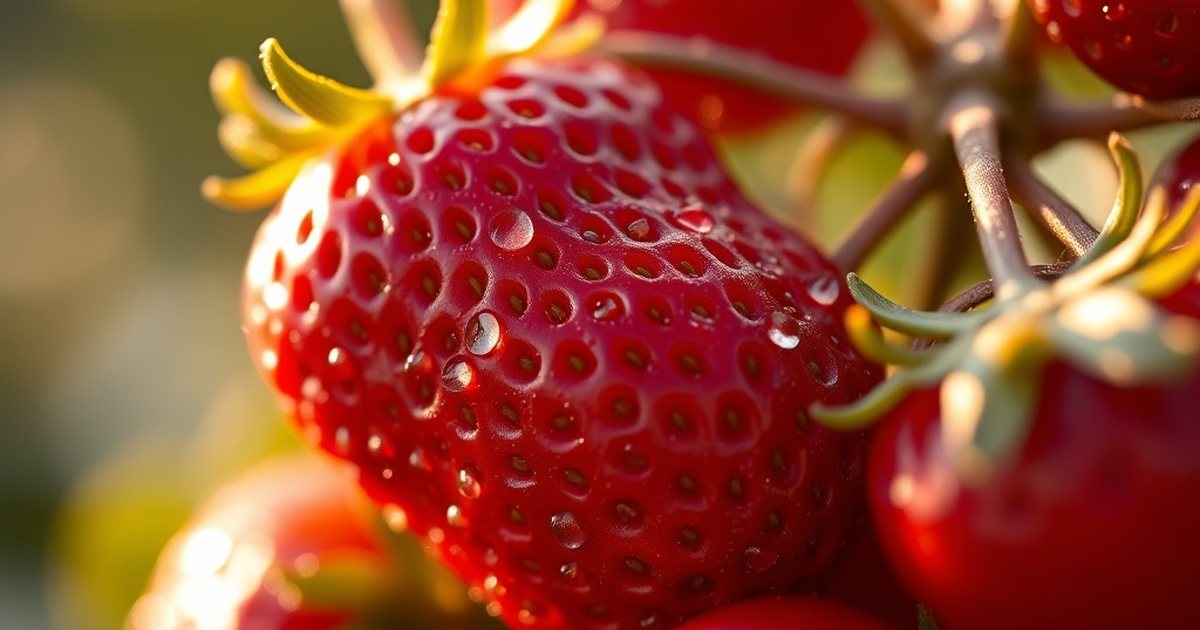
Strawberries are the richest common dietary source, and a typical 150 g serving provides roughly 20-24 mg of fisetin. The doses used in preclinical senolytic research and early human trials are substantially higher — often hundreds of milligrams administered intermittently — which is not achievable through ordinary food consumption.
Is fisetin safe to supplement?
Fisetin has generally been well tolerated in early human studies at the doses tested. However, high-dose intermittent protocols have not been established as safe or effective through large clinical trials. People taking blood thinners, immunosuppressants, or medications metabolized by cytochrome P450 enzymes such as CYP2C9, CYP1A2 and CYP3A4 should consult a physician before use, as flavonoids can interact with these pathways.
References
- Zhu Y et al. New agents that target senescent cells: the flavone, fisetin, and the BCL-XL inhibitors, A1331852 and A1155463. Aging (2017). PMID 28273655
- Zhu Y et al. The Achilles' heel of senescent cells: from transcriptome to senolytic drugs. Aging cell (2015). PMID 25754370
- Yousefzadeh MJ et al. Fisetin is a senotherapeutic that extends health and lifespan. EBioMedicine (2018). PMID 30279143
- Harrison DE et al. Astaxanthin and meclizine extend lifespan in UM-HET3 male mice; fisetin, SG1002 (hydrogen sulfide donor), dimethyl fumarate, mycophenolic acid, and 4-phenylbutyrate do not significantly affect lifespan in either sex at the doses and schedules used. GeroScience (2024). PMID 38041783
- Maher P et al. Flavonoid fisetin promotes ERK-dependent long-term potentiation and enhances memory. Proceedings of the National Academy of Sciences of the United States of America (2006). PMID 17050681
- Maher P et al. Modulation of multiple pathways involved in the maintenance of neuronal function during aging by fisetin. Genes & nutrition (2009). PMID 19756810
- Krishnakumar IM et al. Enhanced bioavailability and pharmacokinetics of a novel hybrid-hydrogel formulation of fisetin orally administered in healthy individuals: a randomised double-blinded comparative crossover study. Journal of nutritional science (2022). PMID 36304817
- Mayo Clinic et al. AFFIRM-LITE: A Phase 2 Randomized, Placebo-Controlled Study of Alleviation by Fisetin of Frailty, Inflammation, and Related Measures in Older Adults. ClinicalTrials.gov (2026). NCT03675724
These statements have not been evaluated by the Food and Drug Administration. This information is not intended to diagnose, treat, cure, or prevent any disease. Content is for informational purposes only and is not medical advice; consult a qualified healthcare provider before starting any supplement. As an Amazon Associate we earn from qualifying purchases.
